Why Hard Work Fails in Toronto: The Real Financial Architecture
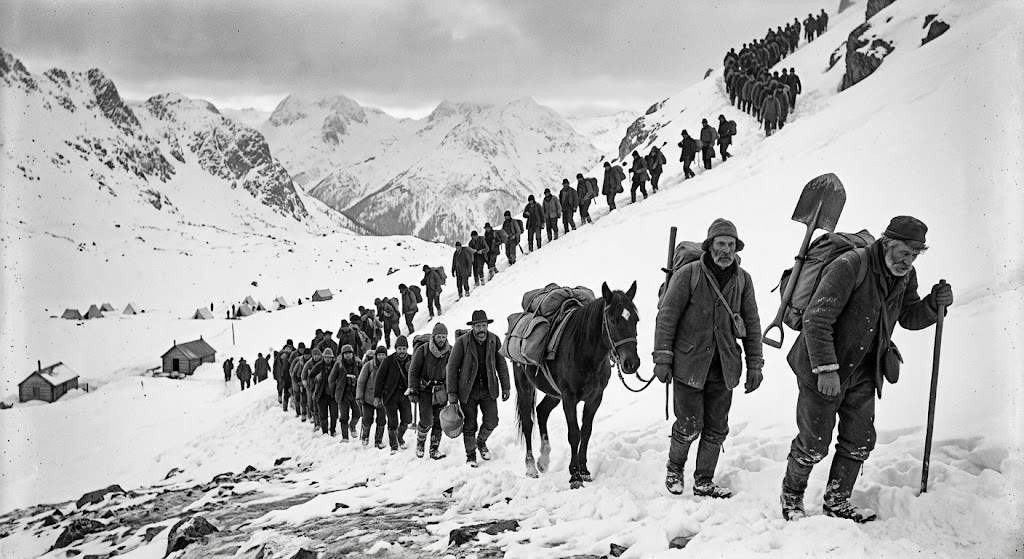
During the famous Klondike Gold Rush in late nineteenth-century Canada, tens of thousands of dreamers abandoned their comfortable lives, sold their properties, and ventured into the brutal, frozen wilderness of the Yukon. Every single one of them shared the same obsession, which was finding that one massive gold nugget that would alter their financial destiny overnight.
History shows us a very cold reality. The vast majority of those gold diggers returned home with empty pockets, broken health, and wasted youth. Yet, a select group of individuals grew incredibly wealthy without ever touching a single grain of dirt. They did not dig for gold. Instead, they set up camps along the route to sell shovels, heavy-duty denim jeans, hot meals, and lanterns to the wave of desperate dreamers.
In the world of business, this exposes a timeless, unfiltered truth. The enthusiastic players rushing into the center of a trend face massive structural risks, while the silent operators who supply the infrastructure of the game almost always survive and thrive the longest. More than a century later, our modern society operates under the exact same hidden financial architecture.
The Mirage of the Frontline Competition
When millions of retail entrepreneurs flock to set up dropshipping stores, platforms like Shopify collect steady transaction fees on every single attempt. When thousands of independent drivers navigate the congested gridlock of downtown Toronto from dawn until dusk, Uber extracts a reliable percentage from every single ride. When corporate brands burn billions of dollars testing marketing angles, Meta continuously inflates its balance sheet with every single desperate click.
The primary player takes the market risk, while the back-end ecosystem takes the guaranteed volume. This is the fundamental reason why so many incredibly hardworking professionals struggle to break through financially. They constantly throw themselves into the most saturated, cutthroat layers of competition.
Consider a practical example from our modern gig economy. Imagine two professionals living in the Greater Toronto Area. The first individual drives an absolute minimum of twelve hours a day for food delivery apps. He battles the harsh Canadian winter, burns through fuel, puts thousands of kilometers of depreciation on his vehicle, and eats cold sandwiches between trips just to maximize his daily earnings. He genuinely believes that raw, unadulterated hustle is the only path to moving up.
Right next door, the second individual does not drive a single delivery route. Instead, he studies the growing army of delivery couriers and identifies their recurring operational bottlenecks. He curates and imports high-quality, heavy-duty thermal insulated food bags, industrial-grade phone mounts that resist sub-zero freezing temperatures, and high-capacity portable power banks.
As the courier market becomes more crowded, the driver faces shrinking margins and longer hours to maintain his income. Meanwhile, the tool supplier sees his customer base expand naturally. A courier cannot work without a functional phone mount, and intense daily usage means these parts break down rapidly, creating a compounding cycle of repeat customers. One person trades raw physical time for linear income, while the other builds a compounding cash flow asset by fueling the ambition of the marketplace.

Positioning Near the Existing Rivers of Cash
The amateur entrepreneur usually launches a venture based on pure personal emotion. They chase what feels trendy, or they duplicate a crowded concept simply because they saw someone else make a quick profit. They fail to look at the foundational plumbing of the economy. They do not analyze where the human attention is concentrated, where the habitual spending is anchored, or which way the primary rivers of cash are already flowing.
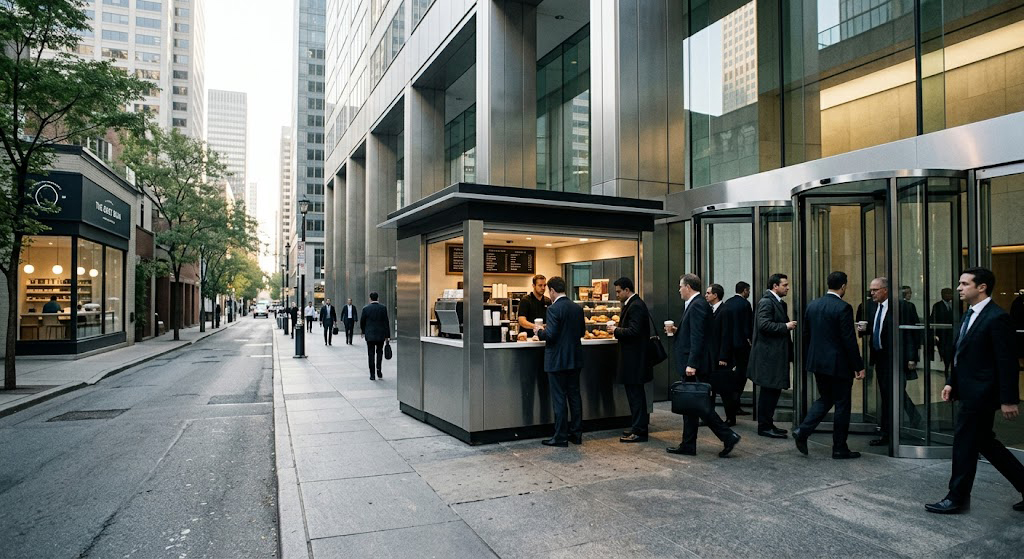
Money is never distributed evenly across a society. It behaves like water, pooling heavily into specific geographic hubs, behavior loops, and digital ecosystems. A small, unpretentious coffee kiosk situated directly at the entrance of a bustling financial district office tower will consistently out-earn a beautiful, heavily advertised artisanal cafe tucked away inside a quiet residential side street. The difference has absolutely nothing to do with product quality. It is a pure reflection of positioning yourself inside an active, daily transaction stream.
The elite operators do not waste energy trying to manufacture human demand from absolute scratch. They simply observe where society is moving, locate the structural chokepoint where everyone is forced to cross, and set up a toll booth.
Monetizing the Habitual Costs of Operation
If you deconstruct any mainstream business down to its core operational layers, you will immediately unlock a massive landscape of hidden opportunities. Think about a standard restaurant. Most people look at the crowded dining room and assume the only way to capitalize on the food trend is to open another restaurant.
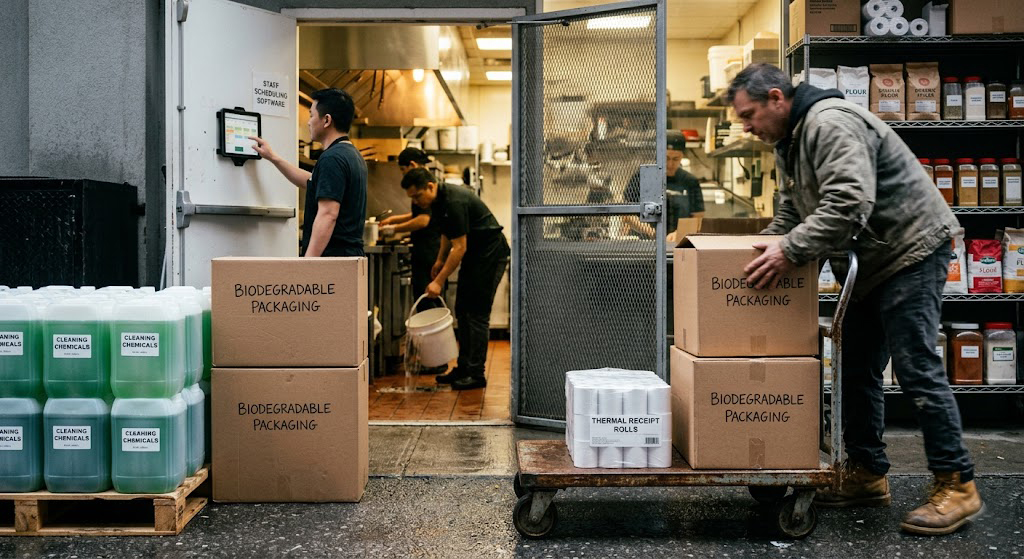
An experienced merchant strips that restaurant down into its repetitive, non-negotiable costs of daily survival. A restaurant might experience volatile sales from week to week based on changing consumer tastes, but it absolutely must buy biodegradable packaging, printed thermal receipt rolls, cleaning chemicals, and staff scheduling software every single day.
This is the power of recurring operational demand. The end consumers might change their minds, but the businesses serving them are trapped in a cycle of mandatory consumption just to keep the lights on. The supplier of the raw paper boxes handles zero consumer customer service, employs very little staff, and quietly collects consistent revenue off the volume of the entire neighborhood.
Buying Back Time for the High-Earners
As an ecosystem matures and businesses scale up, a secondary, highly lucrative bottleneck inevitably forms. When an ambitious entrepreneur or a high-earning specialist starts generating serious revenue, their most critical constraint shifts entirely. They no longer suffer from a lack of capital, they suffer from a severe, suffocating shortage of time.
A successful digital agency founder loses the capacity to edit their own media. A high-performing real estate agent no longer has the hours to handle their own targeted ad campaigns or file complex corporate accounting paperwork. This creates one of the most resilient, high-margin cash flows in modern society, which is the business of selling convenience and buying back time for the wealthy.
When a society is working at an intense pace to generate wealth, the demand for friction reduction skyrockets. Corporate entities do not pay for services because they are incapable of doing the work themselves. They pay premium rates because liberating one hour of their executive focus allows them to deploy that hour into creating ten times more revenue elsewhere.
If you stop searching for the next revolutionary product and start focusing intensely on the operational bottlenecks, the daily tool dependencies, and the time constraints of the people who are already making money, a completely clear roadmap opens up. You stop swimming against the current of the market, and you finally position your venture where the wealth of the ecosystem naturally aggregates.